Direct answer
A BYOB bartending service provides staff and equipment to serve alcohol you supply, rather than selling alcohol itself. Hosts should understand that host liquor liability coverage generally applies to non-commercial hosts who are not charging for drinks, and it typically excludes serving to minors or situations where a license to sell alcohol is required. Confirm licensing, insurance, and responsible-service practices with any bartender before booking.
What "BYOB bartending" actually means
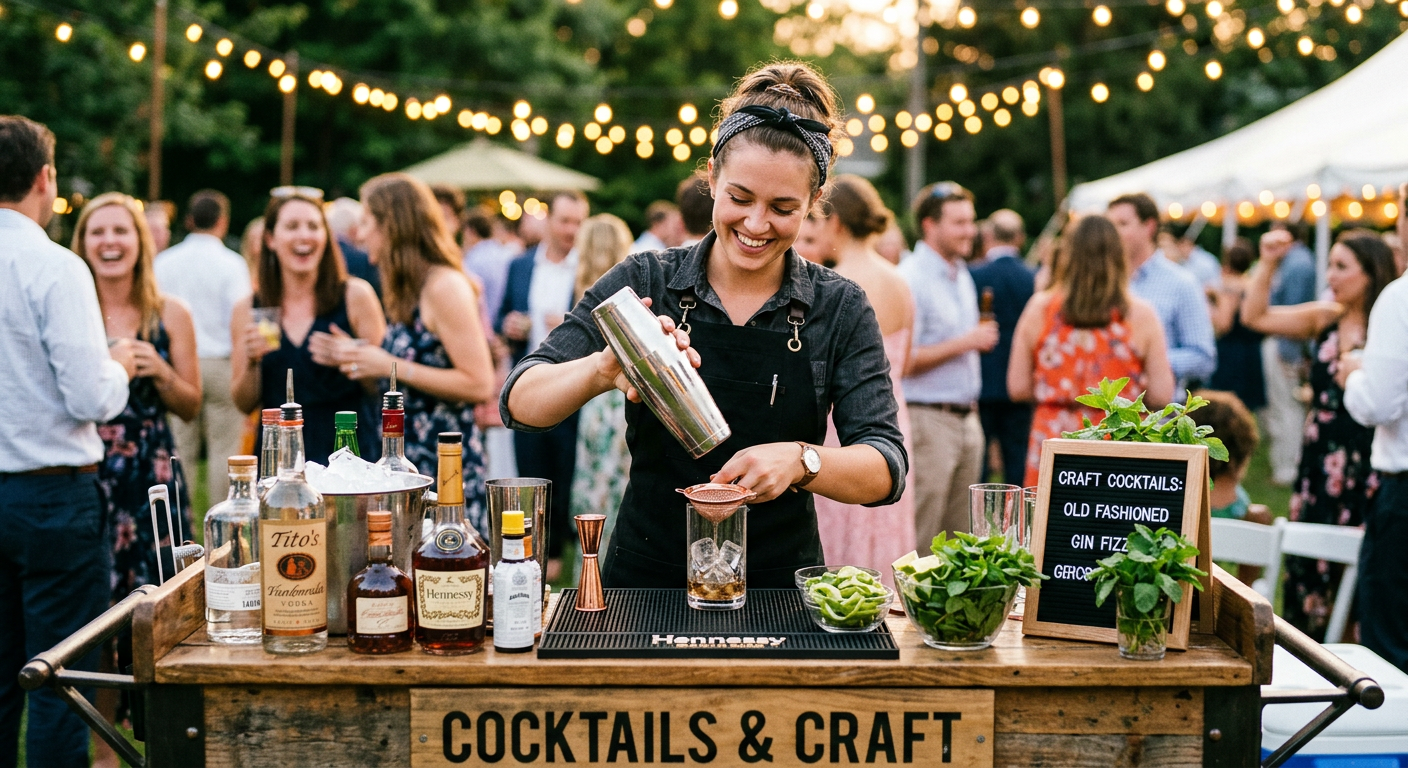
A BYOB (bring your own bottle/booze) bartending service means the host supplies the alcohol and the bartending company supplies staff, equipment (bar cart, glassware, mixers, ice), and service. This is different from a licensed caterer or venue that sells alcohol directly, which typically requires its own liquor license.
Ask the bartender directly whether they are operating under a BYOB model or whether they hold a license to sell alcohol themselves—the liability and legal requirements differ based on the answer.
Liability basics hosts should understand
General guidance on liquor liability insurance distinguishes "host liquor liability," which typically applies to private, non-commercial hosts who are not charging for alcohol and are not in the business of selling it, from "liquor liability," which applies to businesses that sell or serve alcohol commercially and require separate coverage. If your event charges for drinks or requires a permit to serve alcohol, host liquor liability coverage likely does not apply and you may need dedicated liquor liability insurance.
Rules vary by state and municipality, so confirm your specific situation with your insurance provider or venue rather than assuming blanket coverage.
Questions to ask a bartending service
A professional mobile bartending service should be able to answer questions about responsible service, ID checks, over-service policies, and their own insurance without hesitation.
- Does the bartending staff hold responsible alcohol service certification (requirements vary by state)?
- Does the company carry liability insurance, and can they provide a certificate if your venue requires one?
- What is their policy on checking ID and declining service to intoxicated guests?
- Do they supply the bar equipment, ice, mixers, and garnishes, or is that the host’s responsibility?
Protecting your event
Confirm your venue’s own alcohol policy before booking a BYOB bartender—some venues prohibit outside alcohol entirely or require a licensed caterer. If you are hosting at a rented venue, ask whether the venue’s insurance or your own event insurance needs to reflect alcohol service. Picnyk can help you discover and compare bartending services; licensing, insurance, and responsible service remain the vendor’s and host’s responsibility.
Frequently asked questions
What is the difference between BYOB bartending and a licensed bar service?
BYOB bartending means the host supplies the alcohol and the service provides staff and equipment. A licensed bar service sells alcohol directly and must hold its own license to do so. Confirm which model a vendor operates under before booking.
Does host liquor liability cover a BYOB party?
General guidance indicates host liquor liability typically applies to non-commercial hosts who are not charging for alcohol or operating as an alcohol business. Coverage and requirements vary by state and policy, so confirm your specific situation with your insurer.
Should I ask for proof of insurance from a mobile bartender?
Yes. Many venues require vendors, including bartending services, to carry liability insurance and provide a certificate of insurance before serving alcohol on-site.